
Inspecting your Harness
 It may not be as sexy as your Camalots but if you’ve neglected your harness recently you should make a date and give it a good going over. As climbers we rely on our harnesses more than any of our other gear, there’s no back up to it, if it fails, our whole system fails. Knowing how to look after our harnesses and knowing the warning signs of damage are essential to our safety.
Lifespan
The manufacturer of your harness gave it a lifespan from the date it was manufactured. If you don’t know either of these, check the batch number of your harness and contact the manufacture to find it out. The material of your harness degrades over time, even if it’s spent a few years in storage. For this reason a number of manufacturers will give a harness a working life (how many years you’ve been using it) and a shelf life (how many years it was on the shop shelf or in your gear bag). For DMM, this is 5 and 5, making the absolute maximum lifespan of their harnesses 10 years. If your harness is out of its lifespan, it’s time to replace it. What is £60 compared to your safety?
Heavy use is likely to reduce the lifespan of your harness and it is possible to reduce your harness life expectancy to 0 by taking a very large fall in it. If this happens, consider replacing it.
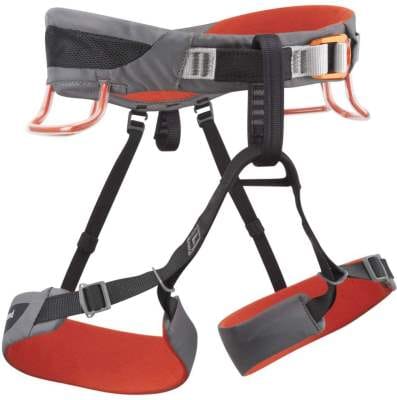 Signs of Wear
Regularly inspecting your harness is the best way to spot any signs of wear that might appear and to monitor these to see when they transgress from well-worn to dangerous. A good method of doing this is to check the individual components. If you’re in doubt about the state of your harness, check with your local shop or climbing wall for a second opinion. In some instances you can also return your harness to the manufacturer for a thorough inspection.
Webbing: The nice padded section of your waist loop might look more substantial but it is the nylon webbing running through it that holds your weight. Webbing should be checked for any cuts, loose threads, signs of melting, fraying, abrasion, UV fading or chemical contamination as these could considerably reduce its breaking strength.
Buckles: Check to ensure that the buckles are not showing any cracks, deformation, rough edges, or signs of corrosion. It is also important to check operation, as some buckles do start to slip overtime.
Belay Loop: The belay loop is the most likely place to find wear due to the additional abrasion caused by your rope.
For more specific information about checking your harness look on the manufacturer’s website. For more information about your textile climbing gear read the article below:
https://www.thebmc.co.uk/tech-skills-retiring-textile-equipment
Comments are closed here.